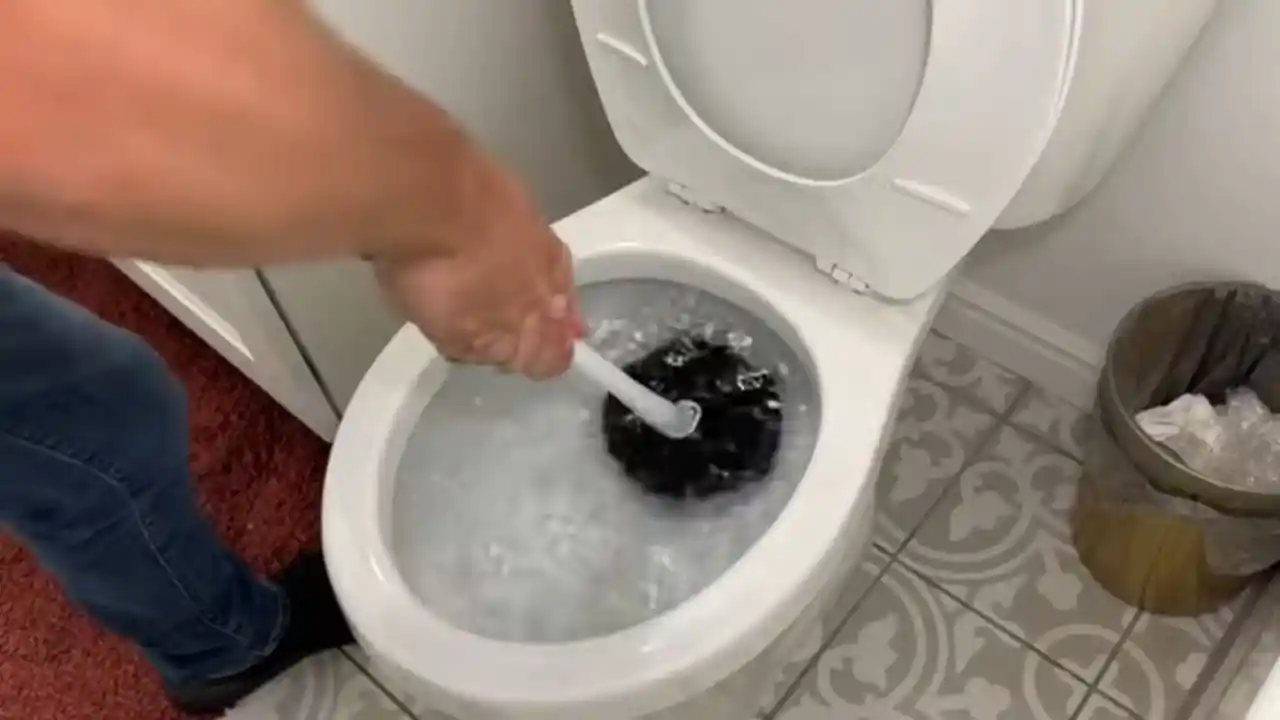
Toilet repair and installation in York, PA covers more ground than a simple clog: a toilet that runs constantly, rocks or leaks at the base, or is simply old enough that another repair isn't worth it. We diagnose which situation you're in on site and give you a straight repair-or-replace recommendation rather than defaulting to either.
What We See Most In York's Housing Stock
Older toilets in pre-1960 York homes often run on original or early-replacement units with worn flappers, fill valves, and wax ring seals that were never updated. A toilet that rocks slightly when you sit down usually means the wax ring seal at the base has failed, which is both a water-waste and a subfloor-damage risk if it goes unaddressed. This is common across Shiloh, PA and the rest of York County too.
Symptoms Of A Toilet Repair & Installation Problem
Toilet Runs Constantly
A toilet that keeps running after the tank fills almost always means a worn flapper or fill valve, one of the more straightforward repairs.
Rocks Or Wobbles When You Sit
Movement at the base usually means the wax ring seal has failed or the closet bolts have loosened, both worth fixing before water finds its way to the subfloor.
Water Pooling At The Base
Visible water around the base, especially after flushing, points to that same failed wax ring seal letting water escape underneath.
Weak Or Incomplete Flush
A flush that doesn't fully clear the bowl can be a worn flapper not opening fully, or on older low-flow units, a design that was never that effective to begin with.
Need This Fixed Now?
Call and speak with a real plumber, no forms or call centers.
How We Handle A Toilet Call
For a running or weak-flushing toilet, we check the flapper, fill valve, and flush mechanism, most of which are same-visit repairs. For a rocking or leaking toilet, we pull the unit to inspect the wax ring seal and subfloor underneath before resealing or recommending replacement if the toilet itself is too old or damaged to reset reliably.
Doing Nothing Vs. Calling A Professional
Repair
- Right call for a running toilet, weak flush, or a first-time wax ring failure
- Lower cost than replacement
- Keeps a toilet you're otherwise happy with in service
Full Replacement
- Makes sense for a toilet that's failed its wax ring more than once
- Modern water-efficient units cut water use meaningfully versus older models
- Comes with a fresh seal and connections throughout
What Toilet Repair & Installation Costs In York, PA
Exact quote after a diagnosis, before any work begins.
Common Questions
A toilet should never wobble after a proper install. If it does, the wax ring wasn't seated correctly or the closet bolts weren't tightened evenly, both quick fixes worth addressing right away rather than letting it develop into a bigger leak.
Most replacements are completed in under two hours, including removing the old unit and testing the new one.
For a household replacing an older pre-1994 toilet, yes. Modern units use a fraction of the water per flush without sacrificing flush performance the way early low-flow models sometimes did.